


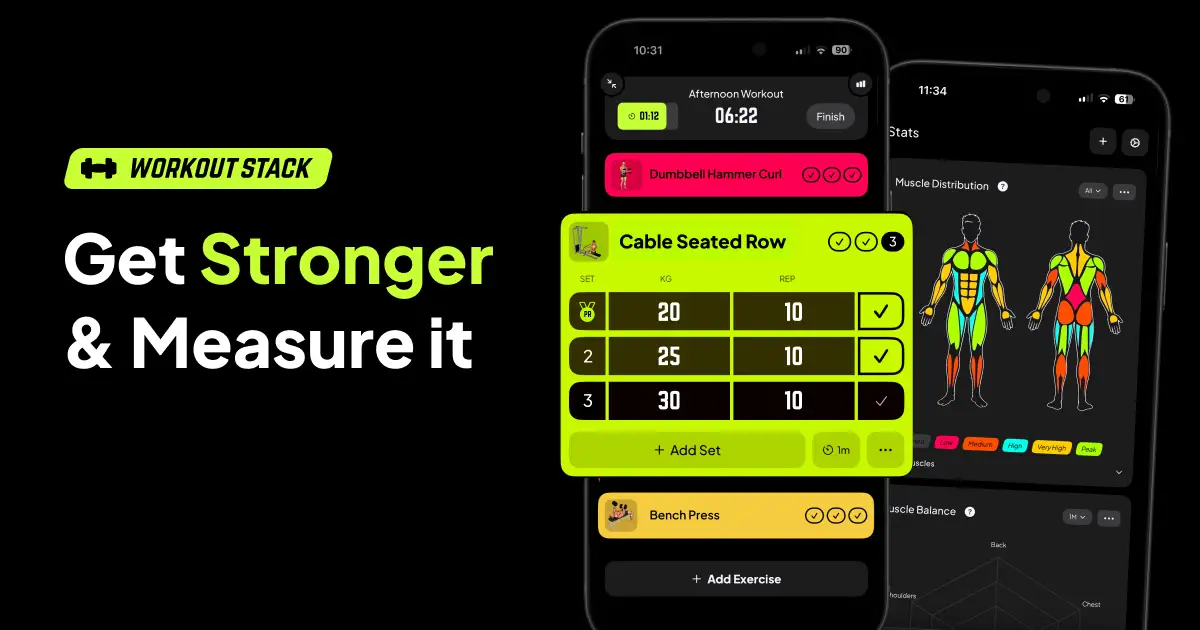
WorkoutStack, available at https://workoutstack.app, can be understood as a digital platform focused on organizing, structuring, and tracking fitness routines in a highly repeatable and systemized way. While traditional fitness apps often emphasize either tracking individual workouts or following prebuilt programs, a tool like WorkoutStack is centered around the idea of building a modular collection of workouts that function like a reusable system. The “stack” concept suggests that users can assemble training components into organized sets that can be reused, adjusted, and followed consistently over time.
At a general level, the platform is designed to reduce complexity in workout planning. Many people who train regularly face the recurring challenge of deciding what exercises to perform each day, how many sets and reps to complete, and how to ensure that their training is balanced across different muscle groups. WorkoutStack addresses this by allowing users to predefine structured workouts and group them into a coherent plan. Once created, these structured workouts can be reused repeatedly, removing the need for constant planning before each training session.
One of the most important use cases is strength training progression. In resistance training, progress depends heavily on tracking performance over time. Users need to know how much weight they lifted previously, how many repetitions they completed, and how their endurance or strength has changed. A system like WorkoutStack likely helps users store this historical data in a structured format. This allows them to make informed decisions about increasing load, adjusting volume, or modifying exercises. Without such tracking, it is easy for progress to become inconsistent or unclear.
Another major use case is routine consistency. Many people struggle not with knowledge of exercise, but with maintaining consistency. Having a predefined stack of workouts means the user can follow a clear path each time they train. Instead of improvising or relying on motivation in the moment, they can simply execute a plan. This reduces cognitive load and helps establish long term habits. Over time, this consistency is often what determines whether fitness goals are achieved or abandoned.
WorkoutStack is also useful for people who follow structured training splits. These can include push pull leg routines, upper lower splits, full body training schedules, or sport specific conditioning programs. By organizing workouts into a stack, users can ensure that each training day fits into a broader system. This helps maintain balance across muscle groups and prevents overtraining or neglecting certain areas of the body.
For beginners, the platform can function as a guided structure. New gym users often struggle with knowing where to start. They may not understand how to structure a weekly plan or how to progress safely. A tool like WorkoutStack provides a way to organize beginner friendly routines that can be followed step by step. This reduces confusion and helps users build confidence in the gym.
For intermediate and advanced users, the platform becomes a more analytical tool. They can experiment with different workout structures, compare training cycles, and analyze how their performance changes over time. For example, someone might test a high volume hypertrophy phase followed by a strength focused phase and use their workout stacks to compare results. This turns training into a more data driven process.
Another practical use case is adaptability. Real world training is rarely perfect, and users often encounter situations where equipment is unavailable or time is limited. A structured workout system allows for substitutions and modifications while keeping the overall plan intact. This flexibility is important for maintaining consistency even when conditions change.
The platform can also support habit formation by turning workouts into a repeatable system. Instead of thinking about fitness as a series of unrelated sessions, users can view it as a structured progression of planned actions. This framing helps reinforce discipline and reduces reliance on motivation alone. Over time, the repetition of following a stack builds a strong behavioral routine.
Additionally, tools like WorkoutStack can help users avoid common training mistakes such as unbalanced programming or random exercise selection. By keeping workouts organized and intentional, users are more likely to follow evidence based training principles such as progressive overload, adequate recovery, and balanced muscle development.
In a broader sense, WorkoutStack represents a shift from simple workout tracking toward structured training system management. It combines planning, execution, logging, and progression into a unified workflow. Instead of treating workouts as isolated events, it encourages users to think in terms of long term systems that evolve over weeks and months.